Antimicrobial Agents That Damage the Viral Envelope
Damage of the bacterial cell envelope by antimicrobial peptides gramicidin S and PGLa as revealed by transmission and scanning electron microscopy. Development of Resistance.

Application Of Antiviral Materials In Textiles A Review
567 Disinfectants that kill microbes are called microbicides but if they only stop microbial growth without killing the microbe they are called microbistats.
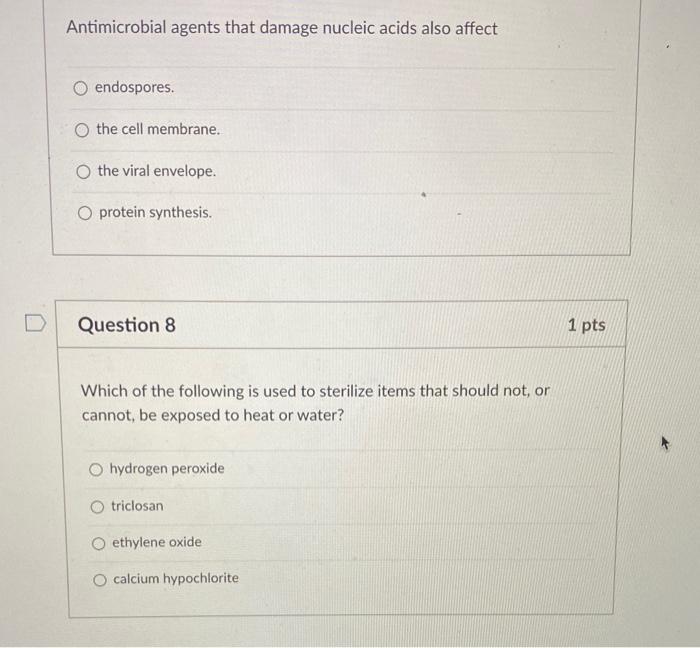
. First several antimicrobial agents cause direct chemical damage to DNA. Progress has been made in clarifying the. A ribozyme antiviral to deal with hepatitis C has been suggested and ribozyme antivirals are being developed to deal with HIV.
For this reason the identification of broad spectrum antiviral compounds provides a valuable opportunity for. Unfortunately there is still a lack of antiviral drugs or vaccines for a large number of viruses and this represents a remarkable challenge particularly for emerging and re-emerging viruses. Among the agents that inhibit bacterial cell wall synthesis the beta-lactam antibiotics have emerged into broad-spectrum agents that inhibit most pathogenic bacteria but are now being threatened by the rapid spread of drug-inactivating beta-lactamases.
Scanning electron microscopy SEM and transmission electron microscopy TEM were used to examine the ultrastructural changes in bacteria induced by antimicrobial peptides AMPs. Antimicrobial peptide interactions with glycoproteins in the viral envelope have been proposed to influence the viral entry process. The mode of action of AMPs as acting on the bacterial cytoplasmic membrane has often been presented as an enigma and there are doubts whether the membrane is the sole target of AMPs.
PGLa can kill bacteria viruses and fungi 10 49 and it shows a low 50 hemolytic activity HC 50 of 165 μgml. In their natural course ribozymes are used as part of the viral manufacturing sequence but these synthetic ribozymes are designed to cut RNA and DNA at sites that will disable them. Blocking of viral entry by interaction with viral glycoproteins.
Put the following microbes in order of their resistance to antimicrobial agents from least to most resistant. An example of this is the antibiotic bleomycin which binds DNA and directly induces double-strand breaks by a mechanism that is not fully understood. Antimicrobial Resistance AMR occurs when bacteria viruses fungi and parasites change over time and no longer respond to medicines making infections harder to treat and increasing the risk of disease spread severe illness and death.
Carbohydrate-binding agents CBAs are a family of diverse molecules that can bind to specific glycan structures on viruses or target cells. 9 Disinfectants are the preferred public-health antimicrobial for common surfaces in medical settings. This would suggest that the antimicrobial activity of the test surface follows an exponential regression possibly due to damage of the cell envelope due to production of exogenous ROS by the test.
After treatment of representative strains of the Gram-negative species E. Aureus DSM 1104 with sub- and supra-MICs of PGLa or gramicidin S several distinct signs of damage to the cell envelope were clearly observed in the SEM and TEM micrographs such as blisters protruding bubbles membrane stacks. DNA damage by antimicrobial agents may occur by several distinct mechanisms.
Ethyl alcohol at concentrations of 6080 is a potent virucidal agent inactivating all of the lipophilic viruses eg herpes vaccinia and influenza virus and many hydrophilic viruses eg adenovirus enterovirus rhinovirus and rotaviruses but not hepatitis A. Through mutation some of their progeny emerge with resistance to the antibacterial agent aimed at it and possibly to other antimicrobial agents as well Laboratory-derived mutants of Pseudomonas stutzeri with resistance to the cationic biocide chlorhexidine were. Aureus lies between 50 and 100 μgml 49.
As a result of drug resistance antibiotics and other antimicrobial medicines become ineffective and. The drugs can ease symptoms and shorten the length of a viral infection. Jan Balzarini describes a.
The polyenes are a class of antifungal agents naturally produced by certain actinomycete soil. Antivirals also lower the risk of getting or spreading viruses that cause herpes and HIV. Penicillin one of the first antibiotics to be used widely prevents the final cross-linking step or transpeptidation in assembly of this macromolecule.
Antimicrobial agents that damage the viral envelope _____. θ-Defensin retrocyclin 2 interacts with the HSV-2 glycoprotein B with high affinity thus protecting the cells from HSV-2 infection. Have no effect on bacterial cells prevent attachment of the virus to its target cell affect viral replication.
Hepatitis C virus infections. Coli DSM 1103 and the Gram-positive species S. Antimicrobial peptides AMPs have been proposed as a novel class of antimicrobials that could aid the fight against antibiotic resistant bacteria.
Some disinfectants target specific viruses. The closely related retrocyclin-1 binds HIV gp120 with high. Inhibition of membrane fusion.
The MIC against various E. Coli strains lies between 10 and 50 μgml and that against S. Antimicrobial agents that target the bacterial cell wall or cell membrane have been used effectively for the past 70 years.
Damage of the bacterial cell envelope by antimicrobial peptides gramicidin S and PGLa as revealed by transmission and scanning electron microscopy. Indicate which type of microbe would be most susceptible to the agent by placing. Assume that you have an antimicrobial agent specific for each of the targets listed below.
One approved antiviral treats the coronavirus that causes COVID-19. Bacteria are not about to succumb to this deluge however. Viral infections are an important cause of death worldwide.
Bacterial endospores b c d a a d c b a c b d d c b a. Antiviral medications help the body fight off harmful viruses. Disinfectants are also used in residential settings.
Second antimicrobials may interact with.

Chapter 9 Micro Homework Flashcards Quizlet
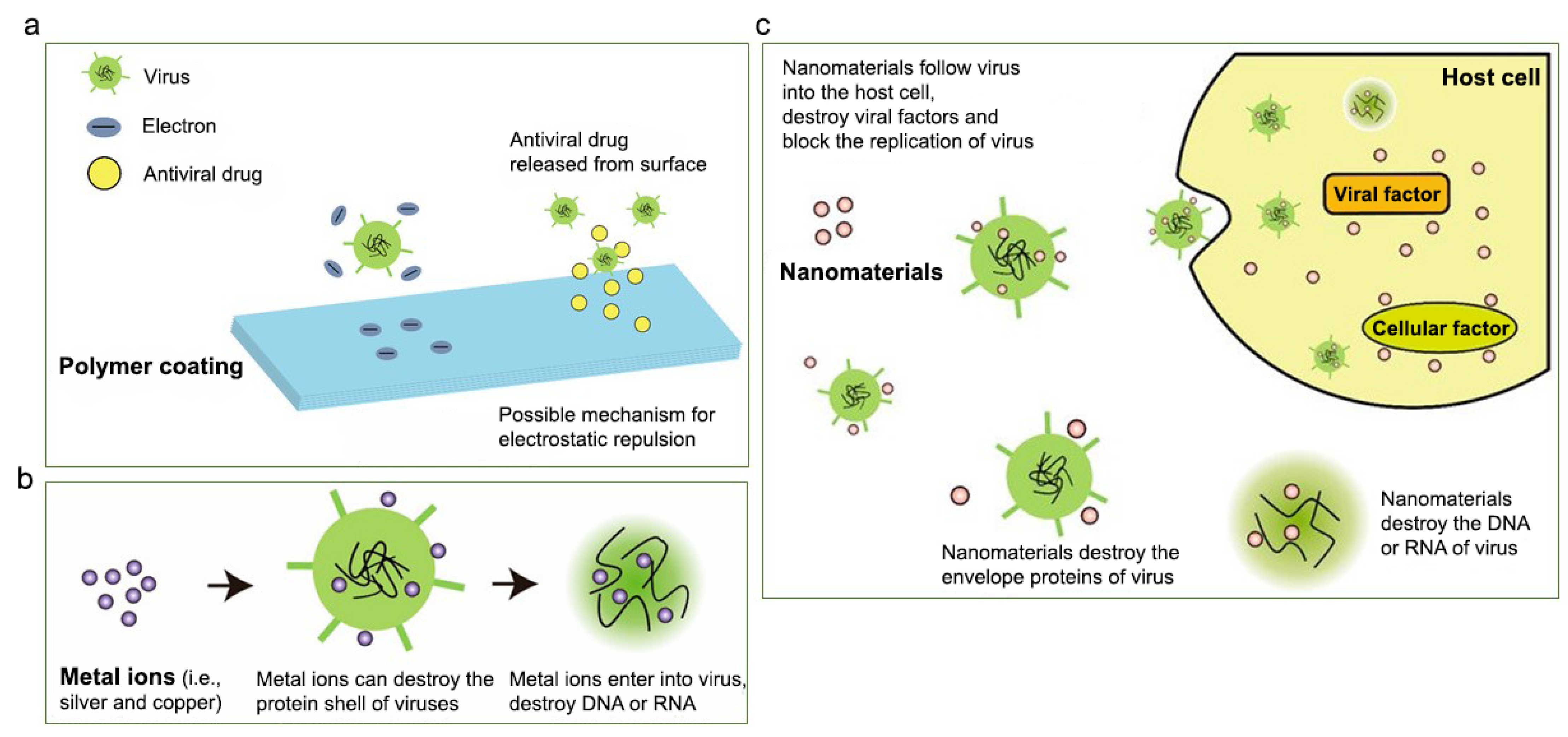
Prosthesis Free Full Text Nanotechnology Based Antimicrobial And Antiviral Surface Coating Strategies Html
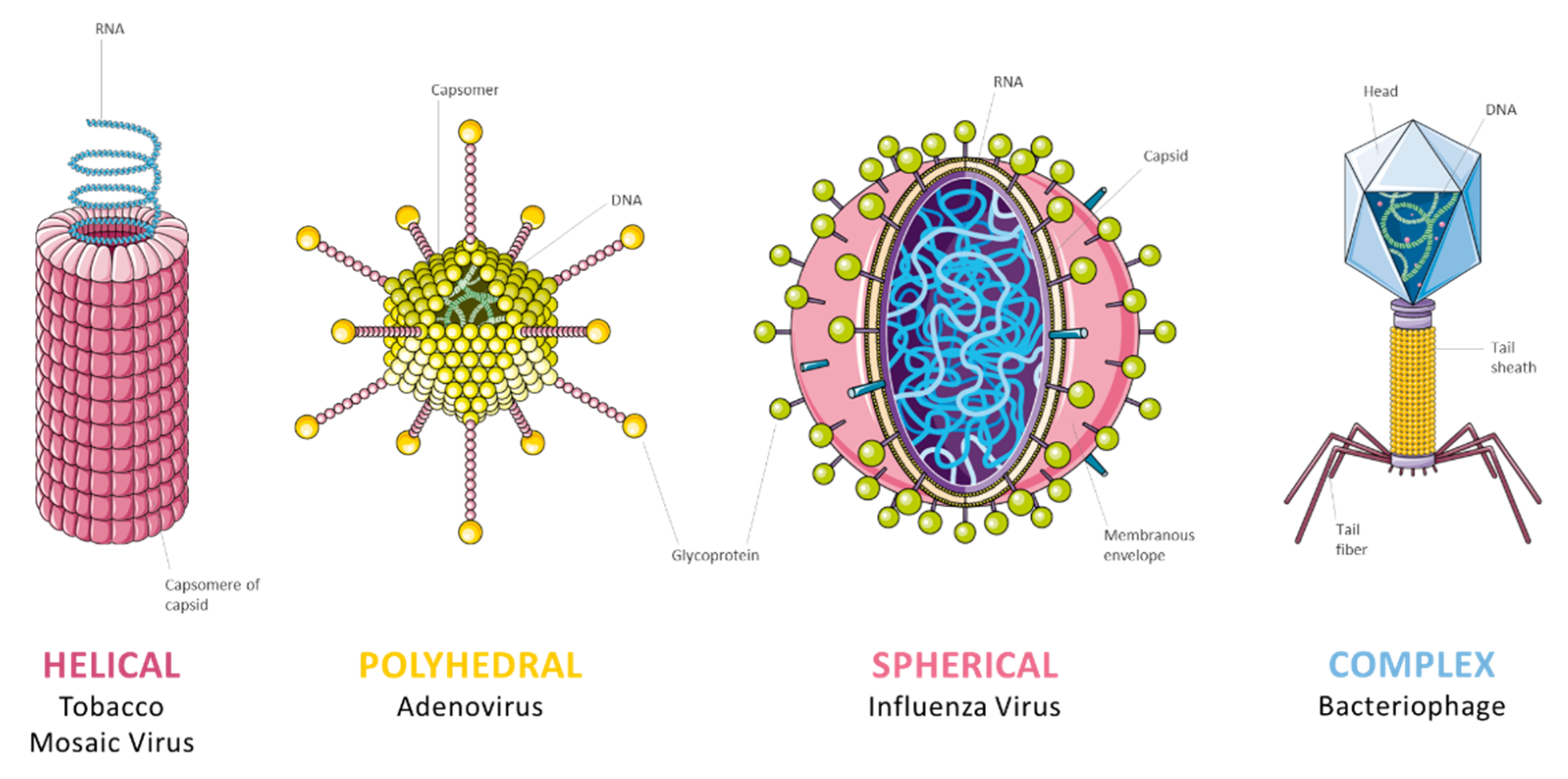
Antibiotics Free Full Text Back To Basics Choosing The Appropriate Surface Disinfectant Html
Solved Antimicrobial Agents That Damage Nucleic Acids Also Chegg Com
No comments for "Antimicrobial Agents That Damage the Viral Envelope"
Post a Comment